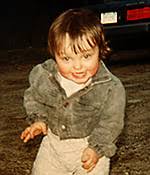
MEREDITH, N.H. — Angel Hazelton had seizures April 12, 1989, prompting her mother, Angela Lane and Angela’s boyfriend, Wayne Kimball, to call an ambulance.Hazelton was rushed to Lakes Region General Hospital in Laconia.She was later transferred to Boston Children’s Hospital where she died three days later on April 15, 1989
Authorities said.An autopsy showed Hazelton died because of blunt force trauma to the head. It also indicated the trauma was up to one week old, officials said
Officials said Hazelton was living with her mother and Kimball on Stagecoach Road in Meredith. She also spent time with her father, David Hazelton, who resided on Oxbow Road in New Hampton.

The Initial Investigation: A Race Against Time
The initial response from the Meredith Police Department, working in conjunction with the New Hampshire State Police, was comprehensive. Investigators immediately secured the scene, interviewed family members, caregivers, and anyone who had access to the child or the residence in the critical hours leading up to her death. The goal was to establish a timeline, identify potential witnesses, and collect any physical evidence that could link an individual to the crime.
Expert analysts specializing in cold case dynamics often emphasize the unique challenges faced by law enforcement in the immediate aftermath of a violent crime. “The golden hours, the first 48 to 72 hours, are absolutely critical,” explains Dr. Evelyn Reed, a forensic criminologist with extensive experience in cold case reviews. “Memories are freshest, crucial evidence is less likely to be contaminated or lost, and potential suspects haven’t had as much time to establish alibis or flee. In Angel’s case, the initial misclassification as a natural death might have subtly delayed some of these critical early investigative steps, though law enforcement acted swiftly once the homicide ruling was made.”
Investigators meticulously collected physical evidence, including items from the nursery and other areas of the home. They sought to understand the dynamics within the household and the broader social circle to identify anyone with motive or opportunity. However, despite these diligent efforts, definitive leads that could conclusively identify a perpetrator proved elusive. The absence of an immediate confession, eyewitness testimony to the fatal injury, or a clear forensic link to a specific individual meant the case quickly moved into a more protracted phase of investigation.
The Anatomy of a Cold Case: Challenges and Opportunities
Angel Hazelton’s case exemplifies many of the characteristics that lead an investigation to become “cold.” As time passes, several factors can hinder progress:
Fading Memories: Human memory is fallible, and details can become distorted or forgotten over decades. Witnesses may struggle to recall specific events, conversations, or observations from 1989.
Attrition of Witnesses: Key individuals involved in or privy to information about the case may have moved away, become unreachable, or, tragically, passed away. This loss of potential testimony or insight is a significant hurdle.
Degradation of Evidence: While law enforcement strives for meticulous evidence preservation, physical evidence can degrade over time. Furthermore, the forensic technology available in 1989 was vastly different from today’s capabilities. What might have been considered inconclusive then could potentially yield new insights now, but only if the evidence was properly collected and stored.
Investigator Turnover: The original investigators, deeply familiar with every nuance of the case, often retire or move to other roles. While comprehensive case files are maintained, the institutional knowledge and personal insights of those initially involved are invaluable.
“Cold cases aren’t ‘closed’ in the true sense; they’re simply awaiting new information or technological advancements,” notes Detective Robert Vance, a retired cold case investigator from another New England state. “The greatest challenge is maintaining momentum and keeping the case alive in the public consciousness, especially when the initial flurry of activity dies down. For a case like Angel’s, involving a child, that responsibility feels even heavier.”
However, cold cases also present unique opportunities for resolution:
Forensic Advancements: The most significant game-changer in cold case investigations is often the evolution of forensic science. DNA analysis, for instance, was in its infancy in 1989. Techniques like touch DNA, mitochondrial DNA, and familial DNA searching can now extract crucial information from minuscule samples or even link distant relatives to a crime, potentially pointing investigators to a perpetrator. Re-examining evidence collected years ago with today’s technology can transform a dead end into a breakthrough.
Changing Relationships and Conscience: As years pass, loyalties can shift. Individuals who may have withheld information due to fear, misguided loyalty, or an unwillingness to get involved in the past might now feel compelled to speak up. A change in personal circumstances, a falling out with a co-conspirator, or simply the burden of guilt can prompt new leads.
Public Awareness Campaigns: Periodic appeals to the public, especially through modern media channels and social media, can rekindle interest and encourage new witnesses to come forward.
The Enduring Impact on Family and Community
For Angel Hazelton’s family, the passage of time has not diminished the pain of her loss or the burning need for answers. The inability to comprehend why or by whom a vibrant 21-month-old was killed leaves an open wound that only justice can begin to heal. The lack of closure can profoundly impact a family’s grieving process, leaving them in a perpetual state of limbo.
“The unresolved nature of a child homicide is particularly devastating,” says Dr. Reed. “Families are denied the ability to understand, to confront, and ultimately, to properly mourn. It creates a lingering sense of injustice that permeates every aspect of their lives.”
For the Meredith community, the incident left an indelible mark. An unsolved child homicide can erode a sense of safety and trust, even years later. While daily life resumes, the memory of Angel Hazelton and the question of who was responsible continue to echo through the town, a stark reminder that some mysteries remain stubbornly unsolved.
Ongoing Pursuit of Justice
The New Hampshire Attorney General’s Office and the State Police Cold Case Unit affirm that the homicide of Angel Hazelton remains an active and open investigation. Law enforcement reiterates that murder cases are never truly closed until a resolution is reached. Periodically, investigators review the case files, re-examine evidence using new forensic techniques, and explore any potential new leads that may emerge.
The commitment to Angel’s case underscores a fundamental principle of justice: even decades later, the pursuit of truth for victims and their families endures. Investigators remain hopeful that either new evidence or a conscience-stricken individual will provide the crucial piece of information needed to bring Angel’s killer to justice.
Anyone with information, regardless of how minor it may seem or how long ago the event occurred, is urged to contact the New Hampshire State Police Cold Case Unit or the Attorney General’s Office. Anonymous tips are also welcomed. The collective memory of a community and the relentless dedication of law enforcement continue to hold the fragile hope that, one day, the shadow of the 1989 unsolved homicide of Angel Hazelton will finally lift, bringing long-awaited answers and a measure of peace to those who have grieved for so long.
Can you help police solve this case? Submit a tip to the New Hampshire Cold Case Unit.
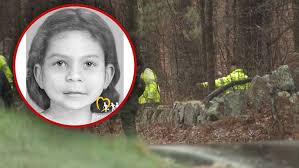
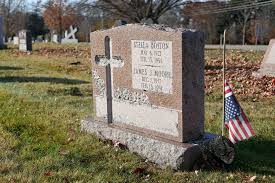
i couldn’t find photos of all parties involved online if you have photos of the mother and boyfriend please submit them to me MkNews at mkmcst.net so i can update post thank you