Decades Later, Connecticut River Valley Killer Case Remains Unsolved
NORTHFIELD, MA – – For over three decades, the specter of the Connecticut River Valley Killer has cast a chilling shadow over the serene towns of Massachusetts and New Hampshire. Between 1987 and 1993, a series of brutal, unsolved murders and attacks terrorized communities throughout the picturesque valley, leaving at least seven women dead and an entire region living in fear. Today, the case remains one of New England’s most haunting and elusive mysteries.

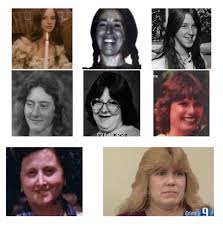
The unknown assailant, dubbed the Connecticut River Valley Killer (CRVK), targeted women, often young and seemingly chosen at random. Their bodies were typically found in remote, wooded areas, bearing signs of extreme violence and, in some cases, sexual assault. The victims included:
- Ellen Fried: Disappeared from Northampton, MA, in July 1987.
- Terri Lee Brooks: Abducted from Claremont, NH, in October 1989.
- Jane Boroski: Survived a brutal stabbing in Tamworth, NH, in August 1988, providing the only known direct encounter with the killer.
- Elizabeth “Maura” Gillis: Disappeared from Littleton, NH, in April 1990.
- Barbara Agnew: Disappeared from Norwich, VT, in October 1990.
- Kathy Lee Bilek: Disappeared from West Springfield, MA, in April 1991.
- Mary Elizabeth Critchley: Disappeared from Keene, NH, in July 1991.

The gruesome nature of the crimes plunged the typically quiet region into an unprecedented state of widespread terror. Residents, particularly women, began to alter their routines, avoiding solo travel, securing their homes with new vigilance, and living under a pervasive cloud of anxiety. The idyllic image of small-town New England was shattered by the realization that a predator roamed freely among them.
Law enforcement agencies from multiple states, including the Massachusetts State Police, New Hampshire State Police, the FBI, and numerous local departments, formed multi-jurisdictional task forces. Hundreds of leads were pursued, suspects interviewed, and extensive forensic analysis conducted. However, the killer left little behind beyond a trail of devastation. The remote nature of the crime scenes, combined with the limitations of forensic technology at the time, made the investigation incredibly challenging.
Despite the monumental efforts, the case eventually went cold. Yet, it has never been closed. Over the years, advancements in forensic science, particularly DNA analysis and genetic genealogical tracing, have offered renewed hope. Evidence preserved from the original crime scenes is periodically re-examined using modern techniques, as investigators cling to the possibility that a single discarded hair, a drop of blood, or a forgotten piece of evidence could finally yield the killer’s identity.
Officials involved in the initial investigation, and those who have since inherited the cold case files, maintain a solemn commitment to bringing justice for the victims and their families. While they remain tight-lipped about specific leads to protect the integrity of the ongoing investigation, authorities continue to urge anyone with information, no matter how small or seemingly insignificant, to come forward.
For the families of Ellen Fried, Terri Lee Brooks, Elizabeth Gillis, Barbara Agnew, Kathy Lee Bilek, and Mary Elizabeth Critchley, and for the courageous survivor Jane Boroski, the search for answers endures. The Connecticut River Valley Killer remains an elusive phantom, but the resolve to unmask him, even decades later, remains steadfast in the hope that one day, the shadow over the valley will finally lift.

the case remains one of New England’s most haunting and elusive mysteries