Revisiting the Chilling “Cult Murders” That Gripped a City and Nation
Fall River, MA – Decades after the events transpired, the city of Fall River still grapples with the chilling legacy of the “cult murders,” a case that captivated and horrified the nation in the late 1970s and early 1980s. The memory of those dark days, filled with accusations of devil worship and ritualistic killings, remains etched in the minds of many, a stark reminder of the fragility of reason and the potential for darkness within even the most seemingly ordinary communities.
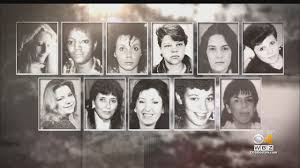
Led by alleged Satanist Carl Drew, a self-proclaimed pimp and drug dealer, the group was accused of carrying out the brutal murders of several individuals, including Drew’s own girlfriend, Karen Marsden. Marsden, a young woman struggling with addiction, was allegedly sacrificed in a ritualistic killing in 1979. Her body was found dismembered in a wooded area, a gruesome discovery that sent shockwaves through the city.

The subsequent investigation revealed a network of individuals involved in drug use, prostitution, and, chillingly, what some alleged was the practice of Satanic rituals. Barbara Raposa, a key witness in the case and a former member of Drew’s circle, testified in graphic detail about the events leading up to Marsden’s death, painting a picture of a group consumed by fear and blindly following Drew’s increasingly erratic behavior.
Drew was convicted of first-degree murder in 1981 and sentenced to life in prison. While he has consistently maintained his innocence, claiming he was framed by Raposa and other witnesses, the jury was convinced by the evidence presented, including her testimony and corroborating details from other involved parties.
The case sparked a wave of “Satanic Panic” across the United States, fueling fears about hidden cults operating in plain sight and engaging in ritualistic abuse. However, many experts have since questioned the validity of the claims, citing a lack of concrete evidence and the potential for suggestibility within vulnerable individuals involved in the investigation.
“The Fall River murders were undoubtedly horrific,” says Dr. Emily Carter, a professor of criminology at a local university. “But it’s crucial to understand the context. The era was ripe with anxieties about societal changes, and the case tapped into those fears, leading to a narrative that may have been more sensationalized than factual.”
Despite the controversy surrounding the Satanic aspect of the case, the brutal reality remains: a young woman lost her life, and a group of individuals were drawn into a vortex of violence and despair. The case serves as a cautionary tale about the dangers of drug abuse, the power of manipulation, and the enduring human capacity for both good and evil.
Today, Fall River continues to grapple with the shadow of its past. While the “Satanic Panic” has largely subsided, the memory of the “cult murders” serves as a somber reminder of a dark chapter in the city’s history, prompting ongoing discussions about mental health, addiction, and the importance of critical thinking. The echoes of Fall River’s darkest days continue to resonate, reminding us to be vigilant against the forces that can lead to unimaginable tragedy.